
Looking back over the past few years, China's machinery export industry has undergone tremendous changes. Although the global market size is projected to reach approximately $170 billion by 2029, with an annual growth rate of around 5%, related enterprises still face multiple challenges to their survival and development. The question facing companies today is no longer "whether there is a market," but rather "how to capture the market."
Machinery exports involve high-precision processing, customized needs, and long-term after-sales service. The long product cycles and high transaction values determine that the essence of going global is the overall export of technology, services, and brand. Faced with an exceptionally long sales cycle of 6-12 months, if companies remain stuck in traditional development thinking, they are easily put on the defensive in increasingly fierce competition.
First, focusing on external presentation is the first step in gaining customer trust. Relevant data shows that buyers have already completed a systematic online survey through the seller's official website before formally contacting them. If your sales webpage is still just a simple collection of parameters, lacking vivid and detailed expressions such as application scenarios, your company is likely to be ruthlessly eliminated in the first hurdle of the buyer's "initial trust assessment."
Second, provide personalized services for niche markets. Mature markets (such as Europe and the United States) focus more on stability, certification compliance, and long-term service; while emerging markets (such as Asia-Pacific and Latin America) are more sensitive to cost-effectiveness, delivery cycle, and basic functionality. Many machinery companies try to use a single product description to cover everything, resulting in scattered resource investment and an inability to address the true concerns of buyers. When product advantages fail to accurately impress buyers, even the strongest technology will be difficult to monetize.
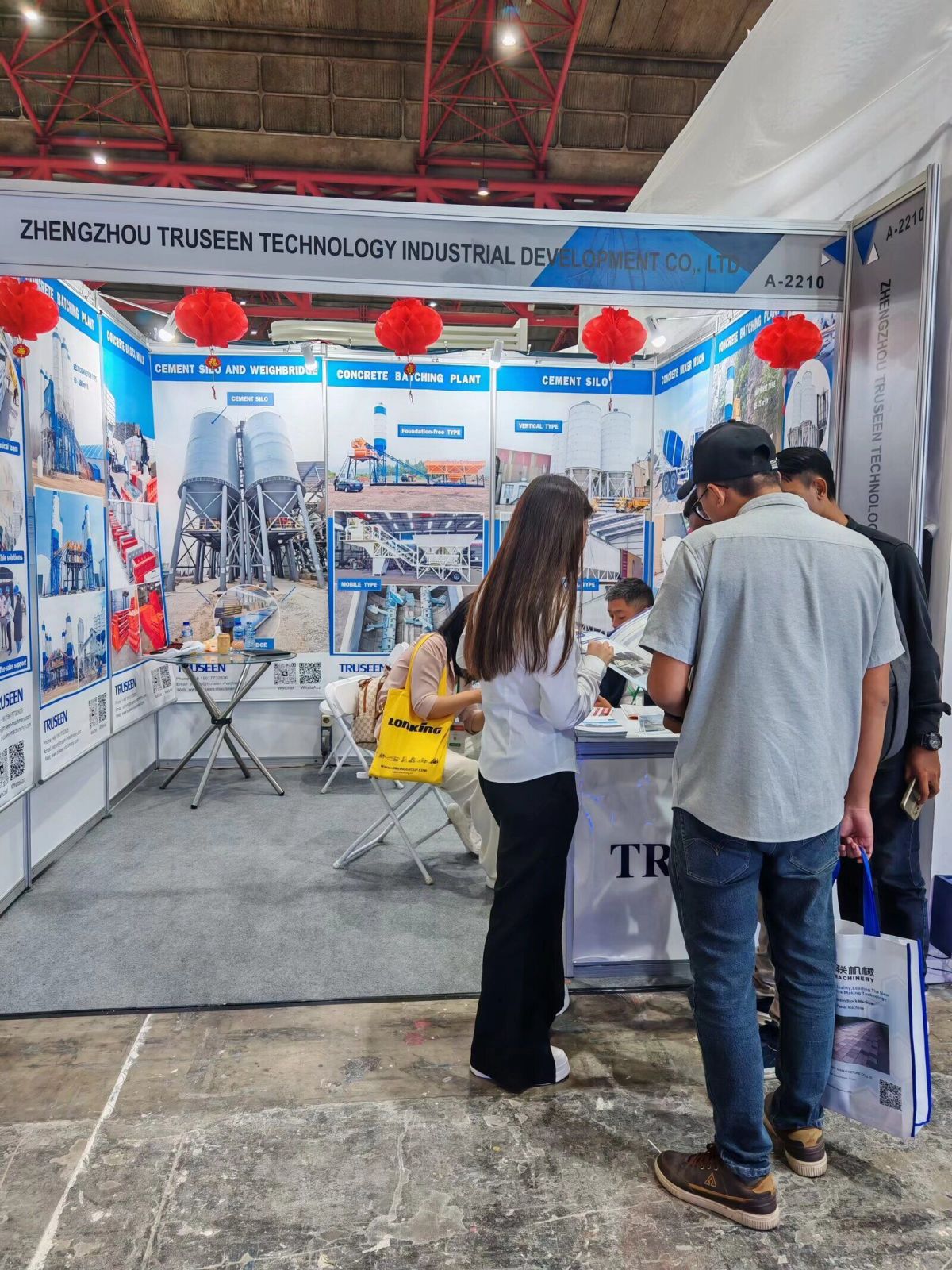
Last but not least, ensure consistent output and increase resource conversion rates. Machinery export is not a one-off transaction, but a continuous process of building trust. Many companies, after building their websites and obtaining scattered inquiries from trade shows, often experience a lack of sustained momentum. The root cause lies in their overseas expansion approach, which still relies on a phased project mentality. For example, the content and case studies on their websites are not continuously updated to reflect changes in business. In the machinery export sector, without a robust digital platform that can consistently generate professional content, the building of trust will falter.
PRODUCTS
CATEGORIES